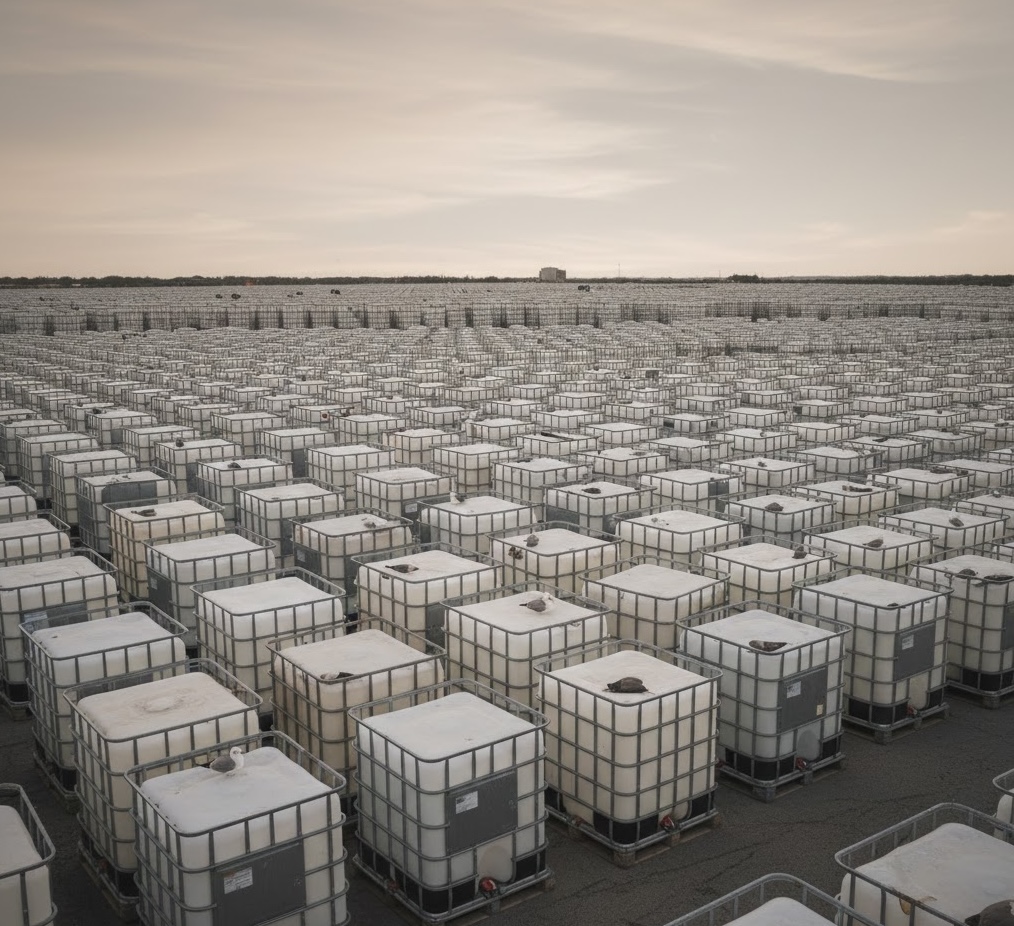
IBC Tote Recycling
Environmentally responsible disposal and recycling of end-of-life containers.
Get Your Free Estimate
Our Recycling Process
Every container we receive is processed through our comprehensive recycling system to maximize material recovery.
Collection
We pick up containers from your location or you can drop them off at our facility.
Sorting
Containers are sorted by material type and condition for optimal processing.
Disassembly
Components are separated: plastic bottles, steel cages, valves, and pallets.
Processing
Materials are cleaned, shredded, and prepared for recycling into new products.
Materials We Recycle
HDPE Plastic
Bottles are shredded and recycled into new plastic products
Becomes: Pipes, plastic lumber, new containers
Steel
Cages and frames are processed at steel recycling facilities
Becomes: New steel products, construction materials
Wood
Wooden pallets are repaired or chipped for mulch
Becomes: Mulch, particle board, biomass fuel
Valves & Hardware
Metal components are sorted and recycled by type
Becomes: Various metal products
Environmental Impact
What We Accept for Recycling
Accepted Items
- Damaged or end-of-life IBCs
- IBCs that cannot be repaired
- Containers that held non-hazardous materials
- Empty and rinsed containers
- Loose IBC components (cages, pallets)
Special Handling Required
- Containers with hazardous residue
- IBCs that held pesticides or herbicides
- Containers with unknown contents
- IBCs that held regulated substances
Contact us for guidance on containers with hazardous residue.
Certified & Compliant
Our recycling operations comply with all federal, state, and local environmental regulations.
Our Recycling Process in Detail
A thorough, environmentally responsible approach to IBC end-of-life management
1Initial Assessment
Each container is evaluated to determine if it can be reconditioned for reuse or if it must be recycled. We always prioritize reuse over recycling when possible.
2Residue Removal
Any remaining contents are safely removed and disposed of according to environmental regulations. We handle hazardous and non-hazardous materials appropriately.
3Component Separation
The IBC is disassembled into its three main components: HDPE bottle, steel cage, and pallet. Each material stream is processed separately for maximum recycling efficiency.
4HDPE Processing
Plastic bottles are shredded, washed, and converted into HDPE flakes or pellets. This recycled material is used to manufacture new products like pallets, containers, and piping.
5Steel Recycling
Steel cages are processed at metal recycling facilities where they are melted down and reformed into new steel products. Steel can be recycled indefinitely without losing quality.
6Documentation
We provide certificates of recycling and destruction for your records, helping you maintain compliance and demonstrate environmental responsibility.
Benefits of Proper IBC Recycling
Regulatory Compliance
Avoid fines and legal issues by properly disposing of containers. We ensure all recycling meets EPA, OSHA, and state environmental regulations.
Documentation
Receive certificates of recycling and destruction for your records. Perfect for audits, sustainability reports, and compliance verification.
Space Recovery
Clear out damaged containers taking up valuable space. Our pickup service makes it easy to remove unwanted IBCs from your facility.
ESG Reporting
Demonstrate environmental responsibility to stakeholders. Our tracking data helps you quantify your recycling impact for sustainability reports.
Liability Reduction
Eliminate potential environmental liability from improperly stored or disposed containers. We provide chain of custody documentation.
Revenue Recovery
Depending on container condition and material value, you may receive payment for your recyclable IBCs rather than paying disposal fees.
Frequently Asked Questions
What types of IBCs can you recycle?
We recycle plastic composite, steel cage, stainless, and specialty IBCs that are empty and non-hazardous.
Do I need to clean the totes before recycling?
Totes must be empty and non-hazardous. Light residue is acceptable; heavy contamination may incur prep charges.
Can you provide recycling certificates?
Yes. We provide documentation for material recovery and proper disposal upon request.
What is your recycling rate?
We achieve up to a 98% material recovery rate by separating bottles, cages, pallets, and hardware.
Do you offer pickup for recycling?
Yes. We offer scheduled pickups across the Pacific Northwest, with minimum quantities usually around 10 totes.
How are materials processed?
Plastic is cleaned and shredded for regrind, steel is recycled at mills, pallets are repaired or repurposed, and hardware is sorted by metal type.
Can you handle totes with unknown contents?
No. We need to know prior contents for safety and compliance. Please provide MSDS or product details.
Do you accept UN-rated containers?
Yes, as long as they are empty and non-hazardous. We follow proper procedures for decommissioning them.
What happens to valves and caps?
Usable components are reclaimed or recycled by material type; unusable parts are properly disposed of.
Can you recycle small quantities?
Smaller quantities can be dropped off at our facility by appointment. Pickup thresholds vary by location.
Ready to Recycle?
Contact us to schedule a pickup or learn more about our recycling services.
Schedule Recycling Pickup